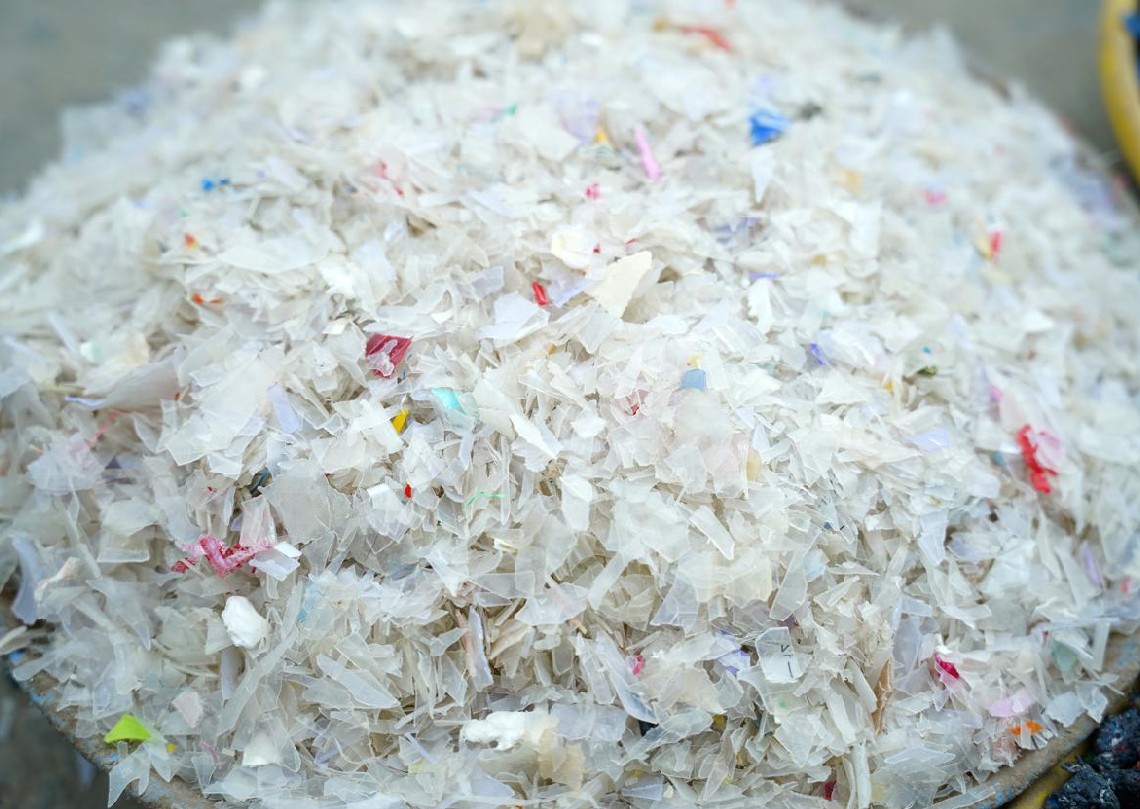
GRS Certification Process Explained for Polypropylene & Plastic Granules Manufacturers
Introduction
As sustainability becomes a core requirement across global supply chains, manufacturers are expected to prove the recycled content and ethical sourcing of their raw materials. For plastic and polypropylene manufacturers, GRS certification has become one of the most trusted international standards.
However, many manufacturers hesitate to pursue certification because they are unsure about the process, documentation, and audits involved. In reality, the GRS certification process is systematic, transparent, and manageable when properly understood. This blog explains the complete GRS certification process for polypropylene and plastic granules manufacturers, step by step.
What Is GRS Certification? (Quick Recap)
GRS (Global Recycled Standard) certification verifies: recycled content in materials, chain of custody, environmental responsibility, social compliance, and chemical restrictions. It applies to companies involved in recycling, processing, manufacturing, and trading of recycled materials, including plastic and polypropylene granules.
Who Can Apply for GRS Certification?
GRS certification is applicable to: plastic granules manufacturers, polypropylene granules processors, recycling units, traders and suppliers, and export-oriented manufacturers. Any company handling recycled materials in the supply chain can apply.
Why Understanding the Certification Process Matters
Knowing the process helps manufacturers: prepare documentation in advance, avoid audit failures, reduce certification delays, and minimise compliance costs. It also builds confidence when working with global buyers.
Step-by-Step GRS Certification Process
Step 1: Application & Scope Definition
The process begins by defining: type of materials (PP, plastic granules, etc.), processes involved (recycling, processing, trading), and facility locations. Manufacturers must clearly define their certification scope.
Step 2: Selection of Certification Body
Manufacturers choose an authorised certification body approved to conduct GRS audits. The certification body reviews the application, shares audit requirements, and provides timelines and cost estimates.
Step 3: Documentation Preparation
Required documents typically include: purchase records of recycled materials, production flow charts, material balance records, supplier declarations, quality control procedures, and environmental and safety policies. Accurate documentation ensures smooth audits.
Step 4: Traceability & Chain of Custody Setup
GRS requires full traceability of recycled materials. Manufacturers must ensure: separate storage of certified materials, proper batch identification, and clear labelling and records. This ensures recycled content can be traced from input to output.
Step 5: Environmental & Social Compliance
Auditors verify: waste management practices, energy and water usage, worker safety measures, and labour compliance. This ensures responsible manufacturing practices.
Step 6: Chemical Management Review
GRS restricts the use of certain hazardous chemicals. Manufacturers must: maintain chemical inventories, ensure restricted substances are not used, and follow safety guidelines.
Step 7: On-Site Audit
The certification body conducts an on-site audit to: verify documents, inspect processes, check traceability, and interview staff. The audit ensures practical implementation, not just paperwork.
Step 8: Corrective Actions (If Required)
If non-conformities are identified: manufacturers receive corrective action requests and issues must be resolved within a defined timeline. Most issues are minor and easily correctable.
Step 9: Certification Approval
Once all requirements are met: GRS certification is issued, valid for one year, and subject to annual audits. Manufacturers can now market their products as GRS certified.
Common Challenges During GRS Certification
Some manufacturers face challenges such as: incomplete documentation, poor material segregation, lack of traceability, and staff unawareness. These challenges can be avoided with proper preparation.
How GRS Certification Helps Polypropylene & Plastic Granules Manufacturers
GRS certification enables manufacturers to: access global buyers, meet sustainability compliance, improve brand credibility, and reduce buyer audit pressure. It also supports long-term business growth.
Role of GRS Certified Raw Material Suppliers
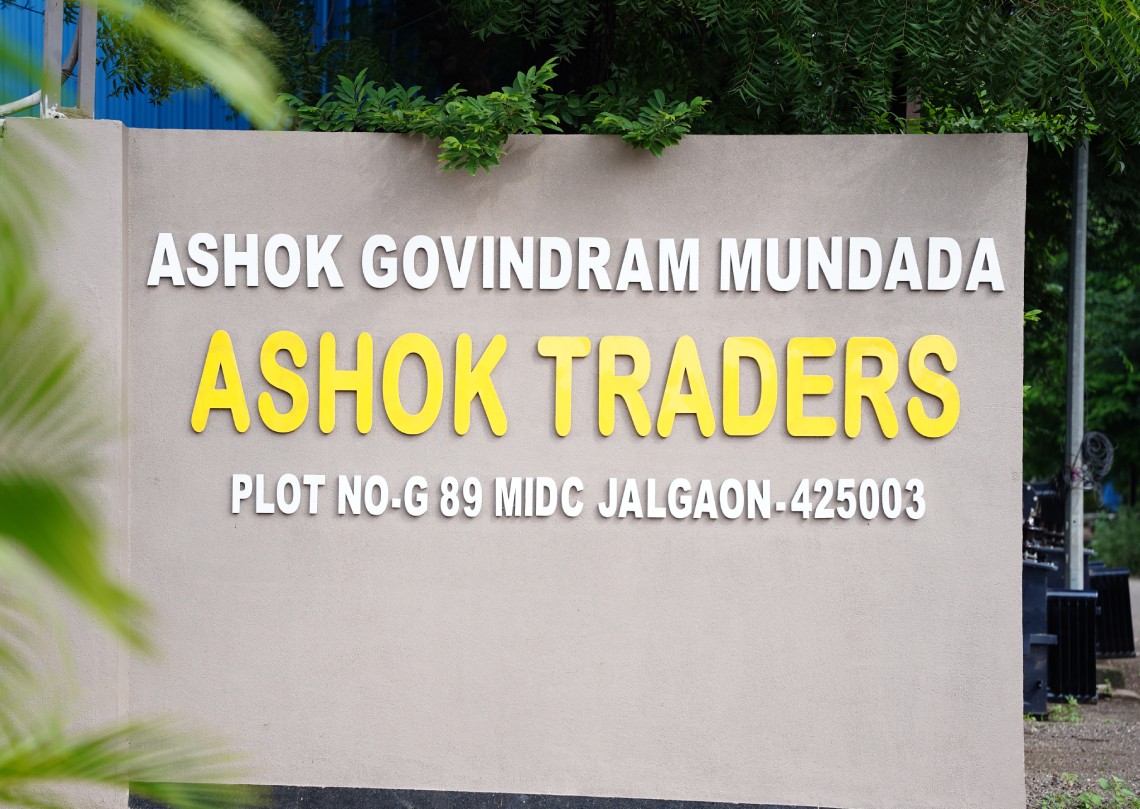
Manufacturers sourcing from GRS certified suppliers find certification easier because: input materials are already verified, documentation is reliable, and traceability is simplified. Suppliers like Ashok Traders, Jalgaon, support manufacturers by supplying consistent, quality plastic and polypropylene granules.
GRS Certification Cost & Timeframe
While costs vary, most manufacturers can complete certification within 2–4 months (depending on readiness). The investment is quickly recovered through improved market access and buyer trust.
Future Outlook for GRS Certification in India
With increasing export demand and sustainability regulations, GRS certification will soon become a standard requirement across the plastic industry. Early adopters gain a strong competitive advantage.
Conclusion
The GRS certification process may seem complex initially, but when broken into clear steps, it becomes manageable and highly rewarding. For polypropylene and plastic granules manufacturers, certification is no longer optional—it is a strategic investment. Working with reliable suppliers like Ashok Traders further simplifies compliance and strengthens sustainability credentials.
📖 For a comprehensive overview: Learn more about GRS certified polypropylene and plastic granules in India
Need GRS Certified Plastic Granules?
📞 Contact Ashok Traders Jalgaon — your trusted GRS certified plastic granules supplier.

Recent Posts