What Is GRS Certification? Complete Guide for Plastic & Polypropylene Manufacturers

Introduction
Sustainability is no longer a trend—it has become a core requirement for manufacturers operating in today's global supply chains. Buyers, brands, and regulators increasingly demand transparency, traceability, and responsible sourcing of raw materials.
For plastic and polypropylene manufacturers in India, one certification has become especially important: GRS certification. Whether you are a plastic granules supplier, a polypropylene manufacturer, or a product exporter, understanding GRS certification is essential for long-term business growth. This comprehensive guide explains what GRS certification is, why it matters, how it works, and how it benefits plastic and polypropylene manufacturers.
What Is GRS Certification?
GRS stands for Global Recycled Standard. It is an internationally recognised certification that verifies recycled content in products and ensures responsible production practices throughout the supply chain.
GRS certification covers:
- Recycled material verification
- Chain of custody tracking
- Environmental management
- Social responsibility
- Chemical restrictions
It is widely accepted across Europe, the USA, and other global markets.
Why GRS Certification Was Introduced
With increasing plastic waste and environmental concerns, global brands needed a reliable way to verify recycled content claims. GRS certification was introduced to:
- Prevent false sustainability claims
- Promote recycling and circular economy
- Ensure transparency across supply chains
- Protect buyers from compliance risks
Today, GRS certification is often a mandatory requirement for suppliers working with global brands.
Who Needs GRS Certification?
GRS certification is relevant for:
- Plastic granules manufacturers
- Polypropylene granules suppliers
- Recyclers and processors
- Export-oriented manufacturers
- Brands using recycled plastics
Any business involved in producing, processing, or supplying recycled plastic materials can benefit from GRS certification.
What Does GRS Certification Verify?
1. Recycled Content
GRS ensures that the material contains verified recycled content, typically post-consumer or post-industrial waste.
2. Chain of Custody
Every stage—from waste collection to final granules—is documented and traceable.
3. Environmental Compliance
Certified facilities must follow environmental management practices, including waste handling and energy usage.
4. Social Responsibility
GRS includes checks for fair labour practices and worker safety.
5. Chemical Restrictions
Certain harmful chemicals are restricted, improving product safety.
Why GRS Certification Matters for Plastic & Polypropylene Manufacturers
For manufacturers, GRS certification offers multiple strategic advantages.
Access to Global Markets: Many international buyers prefer or require GRS certified materials.
Buyer Trust & Credibility: Certification provides third-party validation, increasing buyer confidence.
Competitive Advantage: Certified manufacturers stand out in a crowded market.
Sustainability Compliance: Supports ESG goals and future regulations.
GRS Certification and Polypropylene Granules
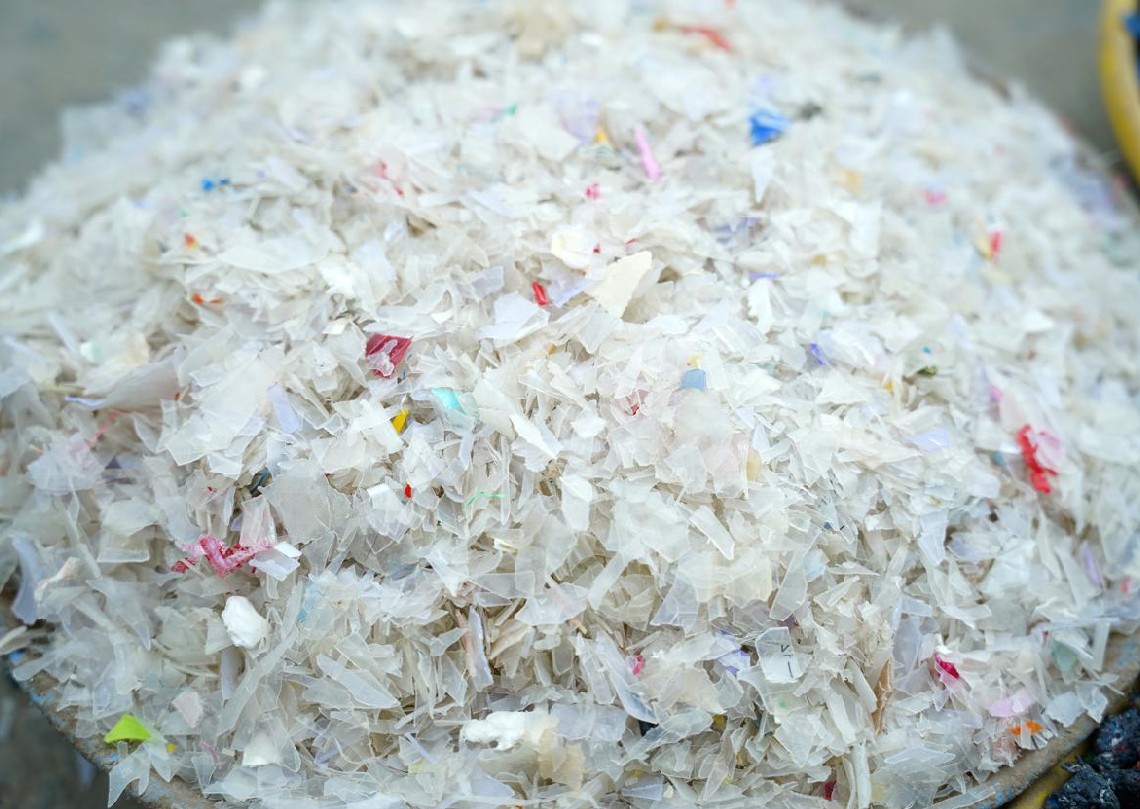
Polypropylene is one of the most widely used plastics globally. When recycled polypropylene is processed under GRS standards, it becomes suitable for sustainable manufacturing without compromising performance.
GRS certified polypropylene granules are widely used in:
- Packaging
- Automotive components
- Household products
- Industrial moulded items
GRS Certification vs Non-Certified Recycled Plastic
| Feature | GRS Certified | Non-Certified |
| Traceability | ✔ Yes | ✘ No |
| Export Acceptance | ✔ High | ✘ Limited |
| Buyer Trust | ✔ Strong | ✘ Weak |
| Sustainability Proof | ✔ Verified | ✘ Unverified |
How GRS Certification Supports Export Growth
Export-oriented manufacturers face strict audits. GRS certification:
- Simplifies compliance checks
- Reduces buyer risk
- Improves approval timelines
This makes certified plastic granules ideal for export manufacturing.
Role of GRS Certified Manufacturers in India
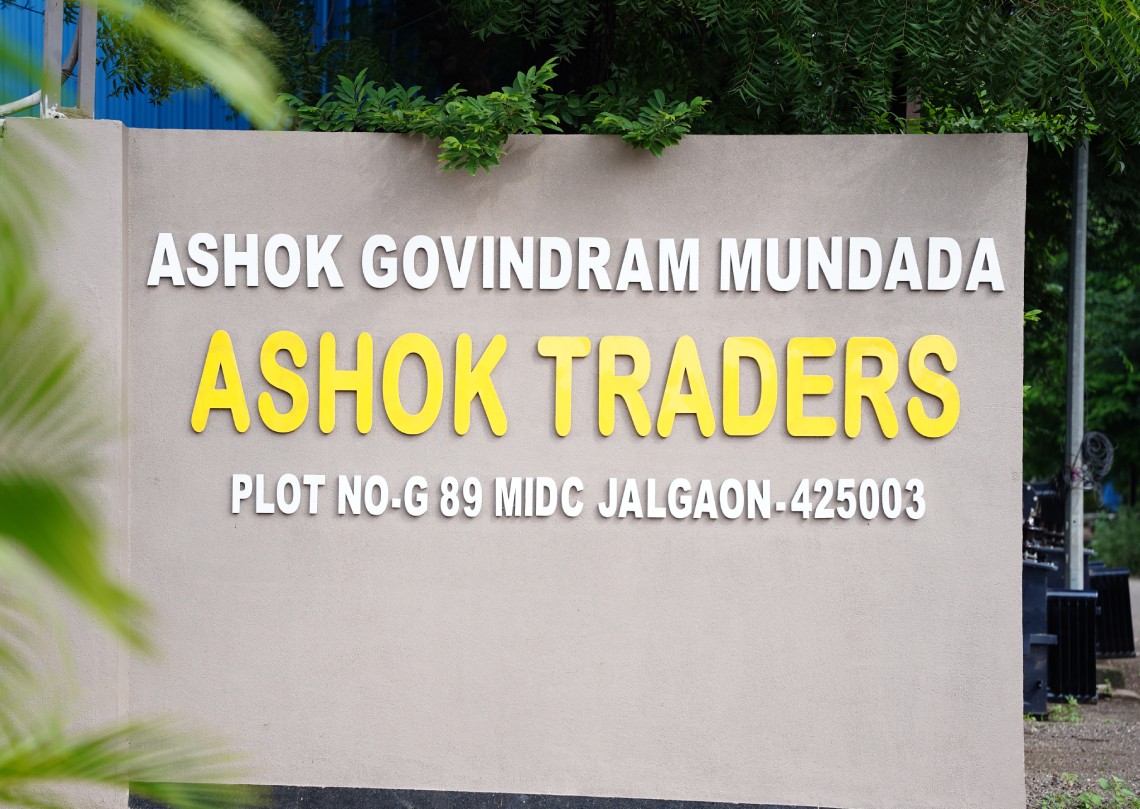
India is becoming a key global manufacturing hub. GRS certified manufacturers help position India as a responsible and sustainable sourcing destination. Suppliers like Ashok Traders, Jalgaon, support this ecosystem by supplying quality plastic and polypropylene granules to manufacturers.
Common Misconceptions About GRS Certification
- ❌ "GRS reduces material quality" → False
- ❌ "GRS is only for big brands" → False
- ❌ "GRS is too expensive" → Long-term savings outweigh costs
Future of GRS Certification in India
With stricter sustainability regulations and buyer expectations, GRS certification will soon become a standard requirement rather than a differentiator. Manufacturers adopting it early will benefit the most.
Conclusion
GRS certification is a powerful tool for plastic and polypropylene manufacturers aiming to build sustainable, export-ready businesses. It ensures transparency, builds trust, and opens doors to global markets.
For manufacturers sourcing certified materials, working with reliable suppliers like Ashok Traders ensures consistency, compliance, and long-term success.
📖 For a comprehensive overview: Learn more about GRS certified polypropylene and plastic granules in India
Need GRS Certified Plastic Granules?
📞 Contact Ashok Traders Jalgaon — your trusted GRS certified plastic granules supplier in India.
Recent Posts