Why Recycled Plastic Granules Are the Future of Indian Manufacturing
Introduction
India's manufacturing ecosystem is undergoing a massive transformation. From MSMEs to large-scale factories, businesses are shifting towards sustainable and cost-effective materials — and recycled plastic granules have become the leading choice.
Why? Because recycled PP and HDPE granules now offer performance levels comparable to virgin materials, at a much lower cost, while supporting India's sustainability goals.
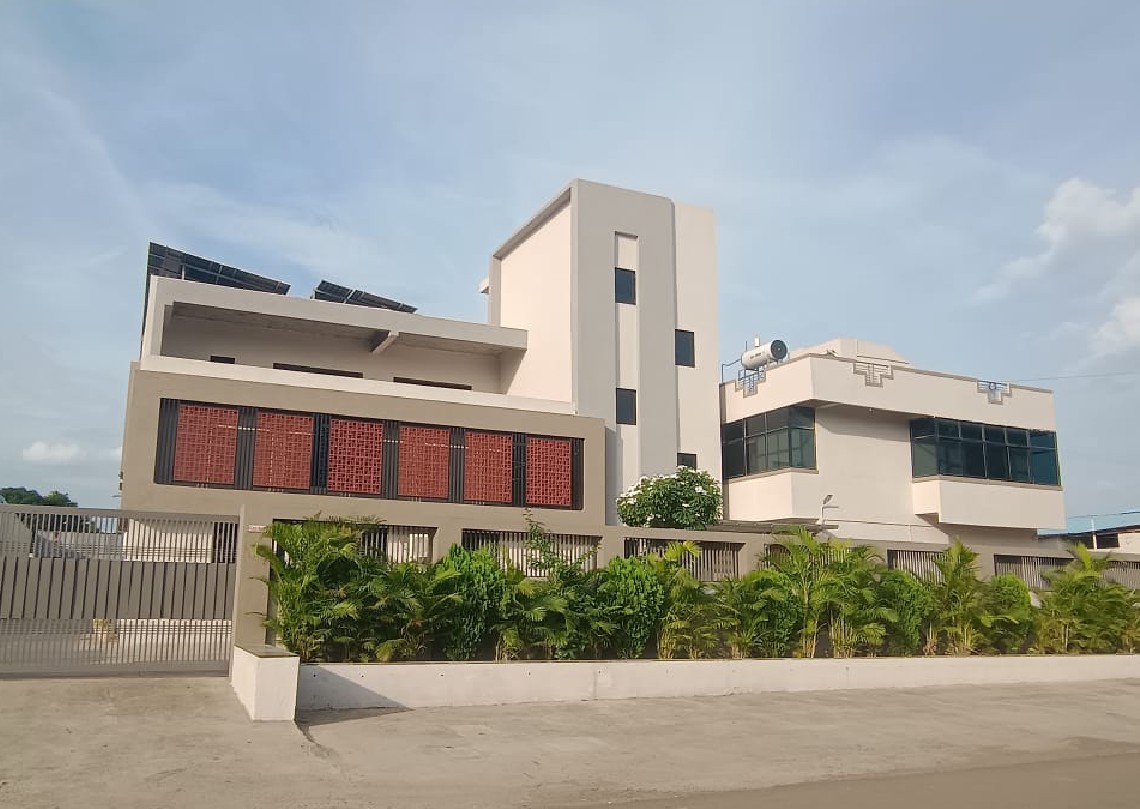
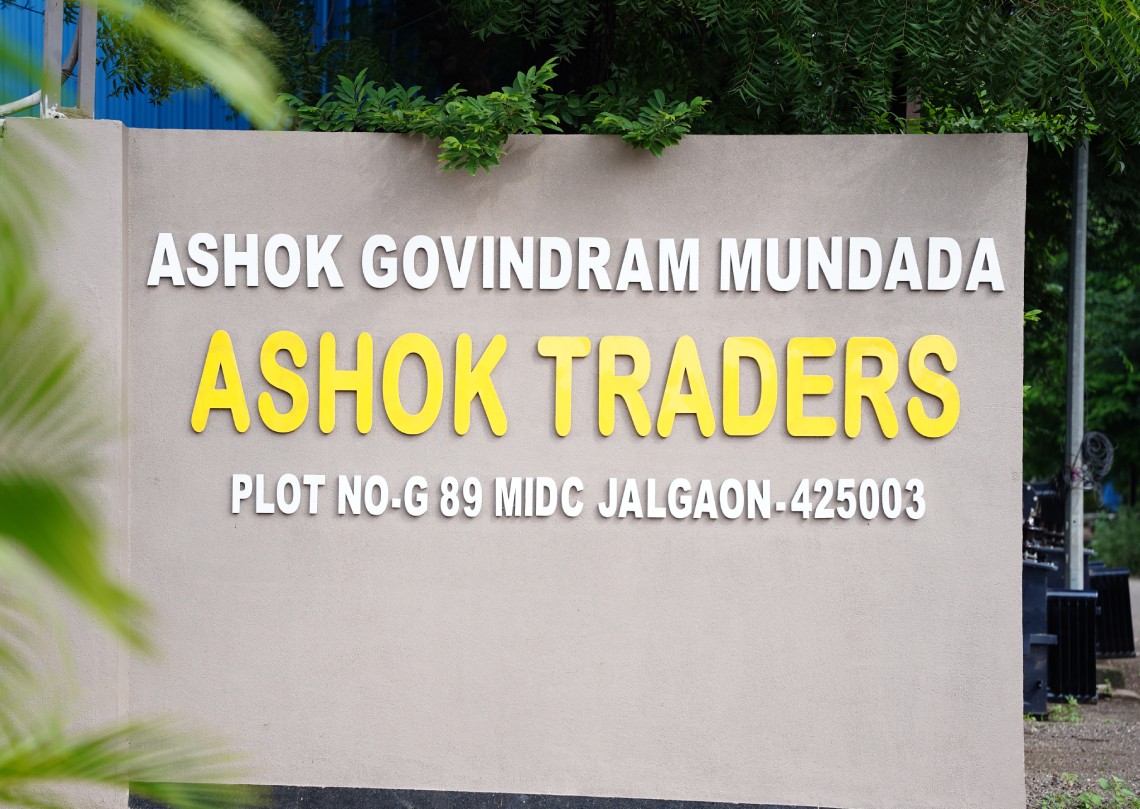
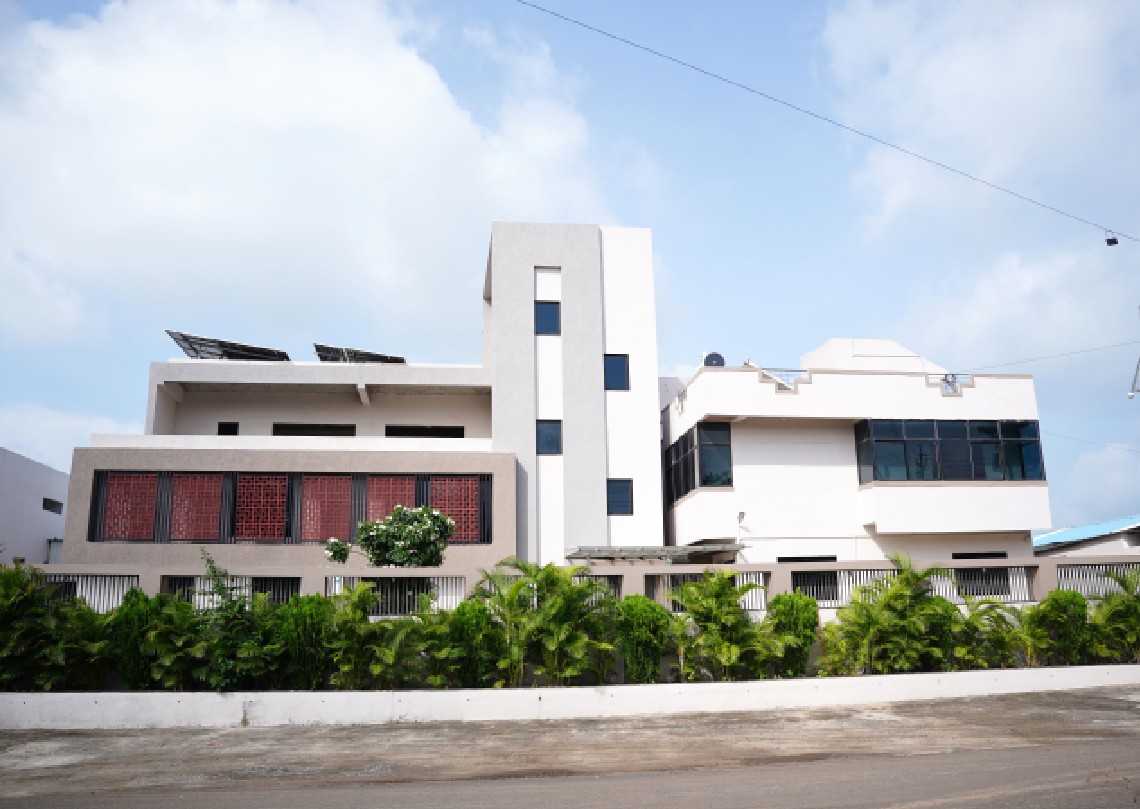
As a trusted supplier in Maharashtra, Ashok Traders Jalgaon delivers high-quality recycled plastic granules to industries across India. This detailed guide explains why recycled granules are the future of Indian manufacturing.
What Are Recycled Plastic Granules?
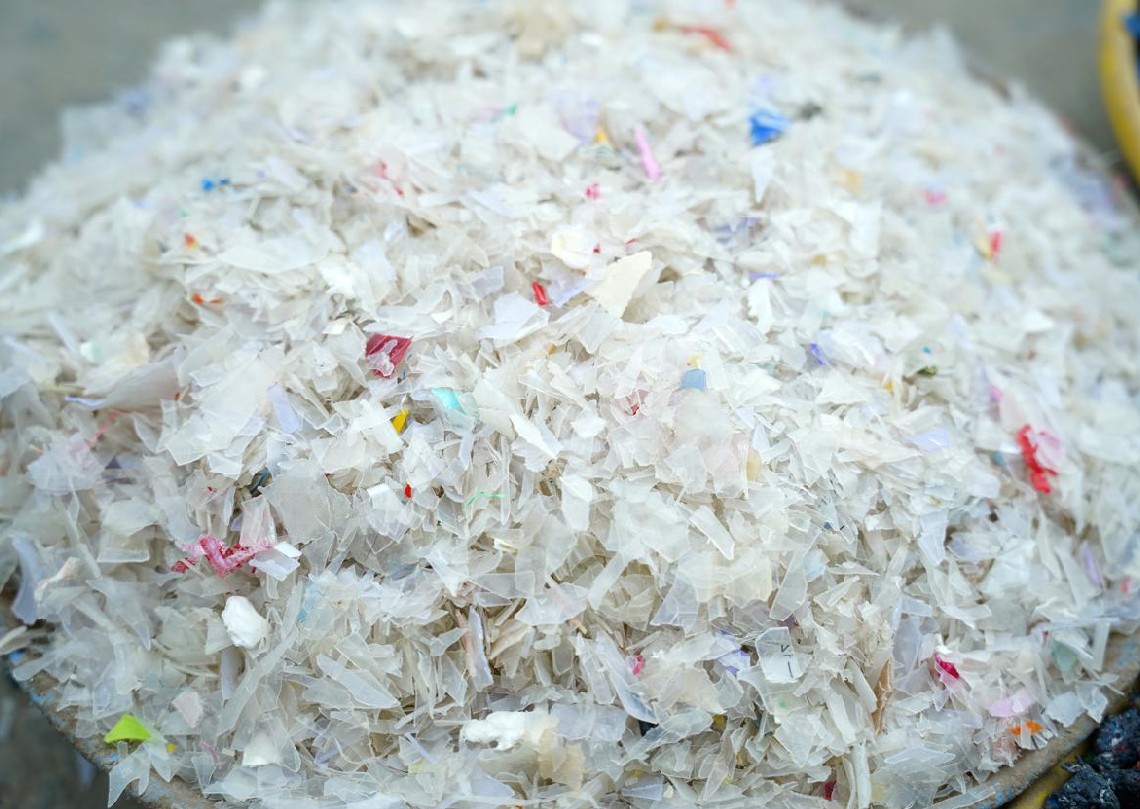
Recycled plastic granules are manufactured by processing post-industrial or post-consumer plastic waste. The recycling process follows several steps:
- 1. Collection: Plastic waste is collected from industries, households, factories, and recycling centers.
- 2. Segregation: Materials are separated based on polymer type: PP, HDPE, LDPE, PET, Mixed plastic
- 3. Shredding: Plastic waste is shredded into flakes.
- 4. Washing & Drying: Flakes are washed to remove labels, dust, oil, chemicals, food residue
- 5. Extrusion: Flakes are melted and filtered using a screen changer for impurity removal.
- 6. Granulation: The molten plastic is cooled and cut into new granules.
Types of Recycled Plastic Granules
Recycled PP Granules
Used in: Household products, Automotive interior parts, Caps & closures, Packaging items
Recycled HDPE Granules
Used in: Pipes, Bottles, Drums, Crates, Blow moulding applications
Recycled LDPE Granules
Used in: Film, Packaging sheets, Flexible items
GRS Certified Recycled Granules
For export-based manufacturers needing global compliance. Learn more about GRS certified granules for export.
Why Recycled Plastic Granules Are Becoming the Future of Indian Manufacturing
Here are the 12 biggest reasons:
1. Cost-Effectiveness
Recycled granules cost 20–45% less than virgin materials, significantly lowering production cost — a major advantage for MSMEs.
2. High Demand in Domestic & Export Markets
Indian and global buyers prefer sustainable products due to EU recycling mandates, Corporate ESG policies, and Green manufacturing certifications. Using recycled materials gives companies a competitive edge.
3. Improved Quality of Recycled Granules
Thanks to modern recycling machines: Better impurity removal, Higher filtration systems, Stable colours, Improved mechanical strength. Quality is now close to virgin in many applications.
4. Government Regulations are Shifting
The Plastic Waste Management Rules (PWMR) 2016 & 2024 Update encourage higher recycled content usage, Extended Producer Responsibility (EPR), and reduced single-use plastic. Manufacturers must adapt to stay compliant.
5. Supports Sustainability Goals
Using recycled plastic reduces: Landfill waste, CO₂ emissions, Energy consumption
Every 1 tonne of recycled plastic saves:
♻ 1.8 tonnes of CO₂ emission
♻ 6,000 kWh of energy
6. Helps Companies Win Export Contracts
Countries like USA, UK, Germany, UAE, Australia prefer products made using recycled or GRS-certified material. Exporters gain significant advantages.
7. Lower Dependency on Virgin Polymer Prices
Virgin polymer prices fluctuate heavily due to Crude Oil, Global demand, and Import duties. Recycled granules offer more stable pricing.
8. Eco-Conscious Consumers Prefer Sustainable Products
Modern consumers pay more for eco-friendly items like buckets, household goods, packaging, and automotive components. Using recycled material improves brand reputation.
9. Helps Companies Fulfill EPR Obligations
Government mandates require manufacturers and brand owners to recycle a certain percentage of plastic. Using recycled granules makes compliance simple.
10. Durable & Versatile
Recycled PP and HDPE are strong enough for injection moulding, blow moulding, sheet extrusion, and film applications. More and more industries are switching.
11. Business Growth Opportunity
Many industries prefer suppliers offering sustainable materials. Manufacturers using recycled granules get better demand, bigger client base, and more repeat orders.
12. Circular Economy Is the Future
India is moving toward a circular economy, where materials are recycled and reused continuously. Recycled granules are essential for this transition.
Applications of Recycled Plastic Granules (Industry-Wise)
- Packaging Industry: Films, Sheets, Containers, Flexible packaging
- Household Products: Buckets, mugs, baskets, stools, dustbins
- Automotive Sector: Interior parts, trims, non-critical moulding components
- Electrical Products: Switchboard casings, wiring channels, low-load ABS substitutes
- Agriculture: Pipes, sprayer parts, crates
- Construction: Non-pressure pipes, fittings, sheets
- Furniture: Plastic chair components, table parts
- Textile & Filament Industry: Non-woven fabric, fibre applications
Virgin vs Recycled Plastic Granules – Detailed Comparison
| Feature | Virgin Granules | Recycled Granules |
|---|---|---|
| Cost | High | Low |
| Strength | High | Medium–High |
| Appearance | Excellent | Good |
| Sustainability | Low | Very High |
| Export acceptance | Only virgin | Virgin + GRS certified recycled |
| Best Use | High-end products | General use |
Quality Checks When Buying Recycled Granules
Here are the top 8 tests manufacturers should check:
- MFI (Melt Flow Index): Must match your moulding process.
- Purity Test: No dust, metal, or mixed polymer.
- Colour Consistency: Avoids shade variation.
- Ash Content: Higher ash = lower quality.
- Odour Test: High-quality recycled granules should be mild-smelling.
- Moisture Level: Low moisture ensures better moulding.
- Strength Test: Tensile and impact strength should be within acceptable range.
- Filtration Quality: Good recyclers use 60–120 mesh.
Common Problems with Low-Quality Recycled Granules
Cheap or unprocessed granules may cause: Machine blockage, Burn marks, Weak product strength, Dimensional inaccuracy, Rough finishing, High rejection rates. This is why selecting a trusted supplier is essential.
Why Ashok Traders Jalgaon Is a Reliable Supplier of Recycled Granules
- High-quality recycled PP & HDPE granules: Filtered, cleaned, stable material.
- Colour-stable materials: Great for household and packaging products.
- GRS certified recycled granules: Perfect for exporters.
- Competitive pricing: Helps manufacturers reduce cost.
- Bulk supply & consistent stock: Supporting MSMEs & large factories.
- Strong technical knowledge: Correct material recommendations for your product.
Use Cases from Real Manufacturers
Case 1: Household Goods Factory
Switched from virgin PP to recycled PP. Savings: 35% in raw material cost. Result: No change in product finish.
Case 2: Blow Moulding Unit
Used recycled HDPE for smaller bottles. Result: Reduced polymer cost with zero leakage issues.
Case 3: Automotive Interior Manufacturer
Used GRS certified recycled PP. Benefit: Approved by export clients.
Frequently Asked Questions (FAQ)
Q1: Can recycled plastic granules replace virgin material?
Yes, for most applications — except critical loads or high-clarity products.
Q2: Is the strength significantly lower?
No. Modern recycled granules offer 80–90% strength of virgin material.
Q3: Are recycled granules safe for food packaging?
Generally no, unless they meet specific food-grade standards.
Q4: Are recycled granules good for injection moulding?
Absolutely — PP & HDPE recycled grades work well for many injection products.
Conclusion
Recycled plastic granules are revolutionising Indian manufacturing. With rising sustainability standards, cost benefits, export opportunities, and government support, manufacturers cannot afford to ignore recycled materials.
As one of the trusted suppliers in Maharashtra, Ashok Traders Jalgaon offers clean, high-quality, consistent recycled PP and HDPE granules — and GRS certified materials for global compliance.
Looking to reduce manufacturing costs and use sustainable materials?
Contact Ashok Traders Jalgaon for recycled PP & HDPE granules in bulk.